The history of Ravello was initially entwined with that of the Maritime Republic of Amalfi, under whose protection it enjoyed strong economic development.
When Amalfi betrayed the Norman King Roberto Il Guiscardo, in 1081, by electing its own Doge, Ravello refused to follow Amalfi. Luckily, it had the support of Pope Vittore III, who redeemed the town from subordination to Amalfi, gave it a bishop’s palace and made it an Episcopal seat.
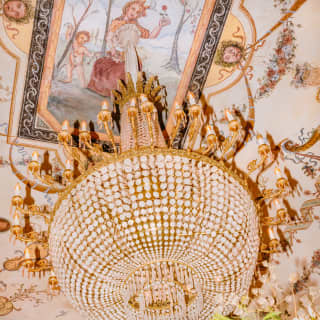
The city quickly prospered and became an economic power, thanks in particular to its flourishing wool mill, known as the Calendra. It was also successful in agriculture and trading with the Arabs and Byzantines on the Mediterranean sea routes. As a result, a great number of artistic treasures appeared in the form of churches and villas.
Ravello was rediscovered by writers and artists who, between the 18th and 19th centuries, made it one of the key destinations on their Grand Tour of southern Italy.
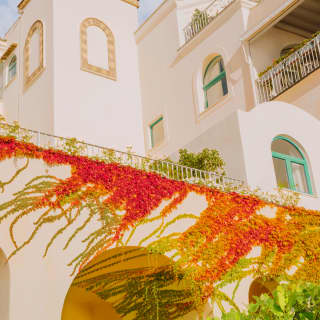
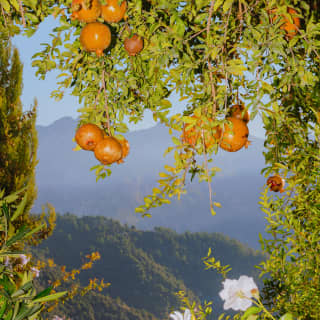
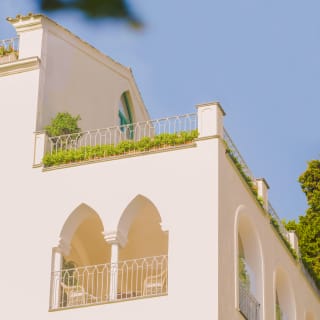
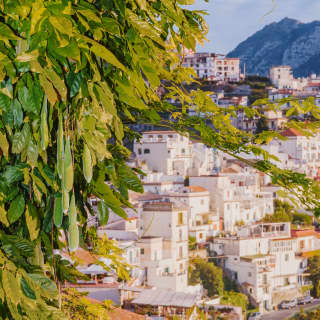
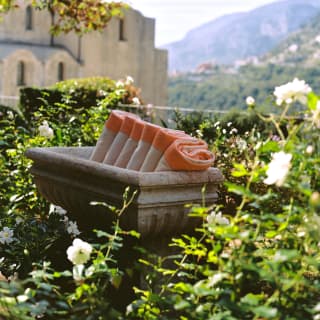
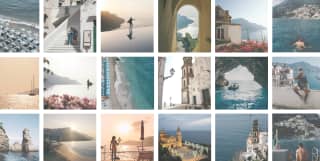
The town radiates beauty and culture, with many exceptional buildings linked by its narrow, winding roads lined with flowers and shops stacked with ceramics. The scenery along the rocky coast contrasts with the exuberance of the flora elsewhere in the region. The gardens of Villa Rufolo and Villa Cimbrone contain an extraordinary variety of plants and shrubs.
Ravello is almost a monument in itself, with something to intrigue every visitor: a simple stroll through the streets and alleyways reveals churches, chapels and noble residences, traditional restaurants and craftsmen’s studios.